
Meta continues to evolve its advertising platform, with November bringing several interesting features that could shape the way brands approach paid social. From more detailed creative performance insights and increased placement automation to AI-powered campaign management and creative generation, these updates highlight Meta’s growing focus on automation and AI learning.
But what do these changes actually mean for advertisers? We’ve rounded up five developments worth knowing about, alongside our thoughts on how they could impact campaign strategy, creative testing and the future of paid social advertising.
1. Creative-level reporting in Ads Manager
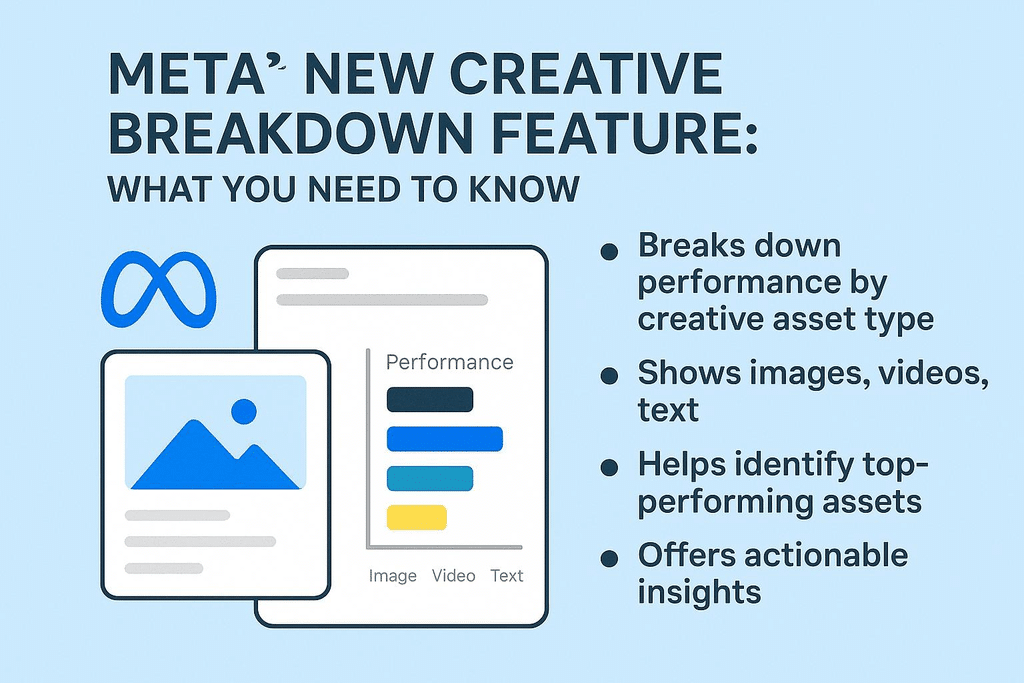
Meta is rolling out reporting that allows advertisers to see performance for individual images, videos and text variations within an ad.
- Find it under Breakdown → Creative → Media.
- – Text variations can be reviewed under Dynamic creative element.
- – Results are labelled as estimated, and availability is not universal yet.
My take: This is particularly useful for agencies using multiple creative assets within one ad. It gives us more insight into which visuals and messaging are getting traction, although it shouldn’t be mistaken for a controlled A/B test.
2. Less manual control over placements
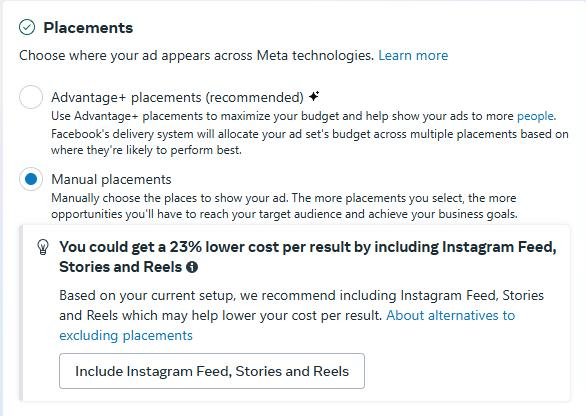
Meta is removing manual ad-set placement selection for Sales, Leads and App promotion objectives. Advertisers are being directed towards:
- Placement-specific creative.
- Placement value rules.
- Account-level placement exclusions.\
Awareness, Traffic and Engagement campaigns are not affected by this particular change.
My take: Meta is increasingly deciding where ads should appear. This may simplify campaign management, but it also makes it more important to have creative adapted for different placements rather than relying on one asset everywhere, as assets can get cut and misplaced which affects brand aesthetics.
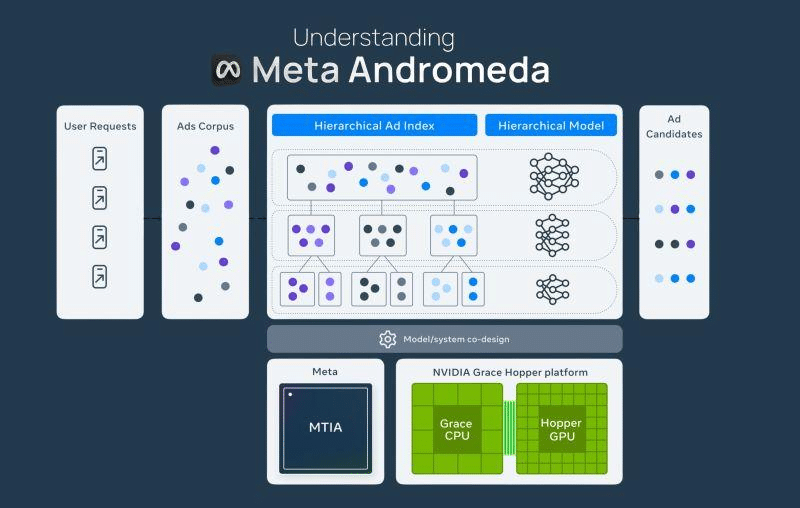
3. Meta’s new AI ranking systems: Andromeda, GEM and GenRec
On 28 October, Meta outlined upgrades to three systems involved in selecting and recommending ads.
- Andromeda: Finds relevant ads from a huge pool of eligible ads.
- GEM: Learns from engagement and conversion signals to improve recommendations.
- GenRecs: Uses large language models to understand ad content and user preferences.
Meta says these systems improve its ability to match ads with people, including new products with limited engagement history.
My take: This is one of the most interesting developments for paid social. Creative variety is becoming a more important strategy. Simply producing ten versions of the same image as beforemay not give Meta enough meaningful differences to work with.
4. AI-generated video from static images
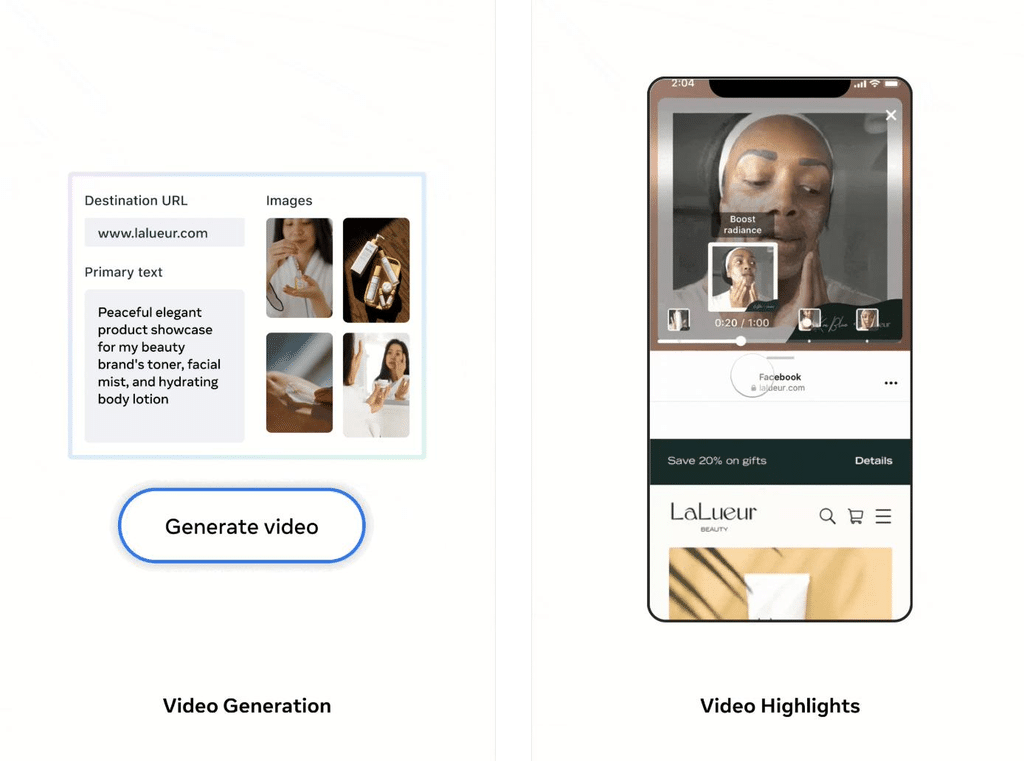
Meta announced that advertisers can generate video from existing static assets through Advantage+ creative, with the feature generally available.
Ads Creative Studio is also expanding, with tools to generate video concepts and edit hooks, audio, clip lengths, captions and end scenes.
My take: This could make video production more accessible, particularly for smaller brands with limited creative budgets. However, AI-generated movement is not a replacement for authentic product demonstrations, founder content or professionally produced campaign videos
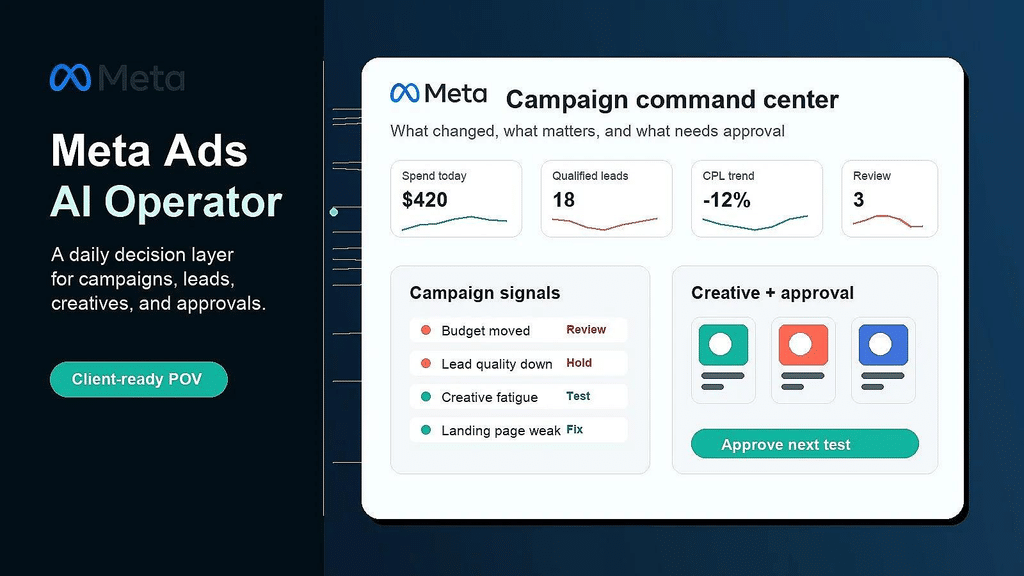
5. Meta Ads MCP: AI assistants managing campaign.
Meta expanded its Ads MCP server, allowing compatible AI tools to retrieve reporting data, create and edit campaigns, manage catalogues and work with ad creatives.
Importantly, work prepared by an AI agent can arrive as a draft in Ads Manager, requiring human approval before publishing.
My take: This could have a significant impact on agency workflows. Reporting, campaign preparation and repetitive administrative tasks could become quicker. However, strategic decisions, budget allocation and creative judgement still need experienced marketers.